Why Your Neighbors Matter More Than Your Politics
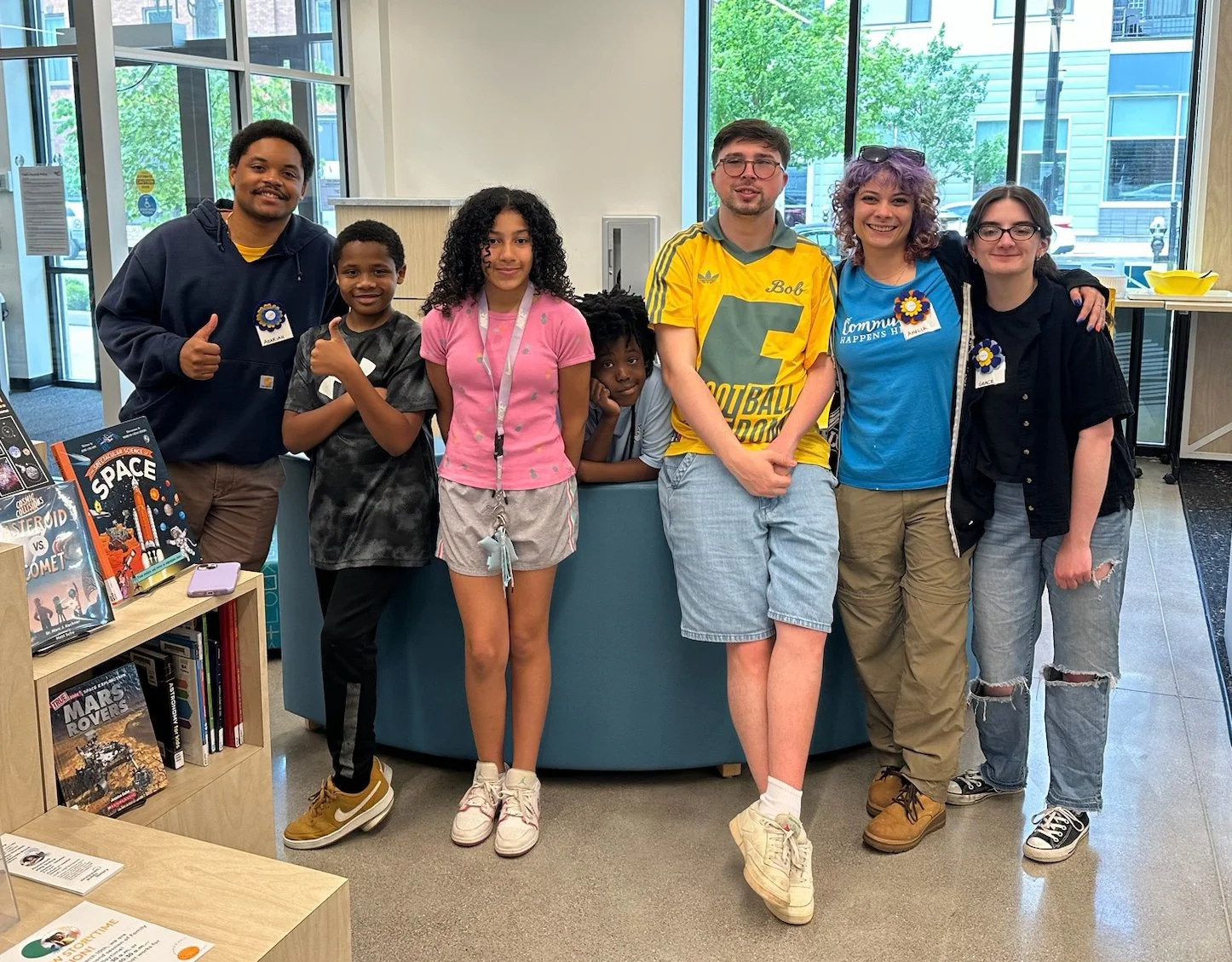
Our second Sidewalk Hospitality gathering launched at the Madisonville Public Library on Saturday, April 18.
A few weeks ago, former Senator Ben Sasse sat down with Scott Pelley on 60 Minutes for what may be one of his last extended interviews. He has stage-four pancreatic cancer. He's outlived the prognosis his doctors gave him, but not by much.
And he knows it.
Pelley asked him about politics, polarization, and the shape of the country. That’s when Sasse said something that's stayed with me:
“I think we have really thin, shallow community right now. And unless people know the thickness of their local community, it's hard to make sense of what national politics are for. I think our national political dysfunction is an echo of larger problems.”
I think he might be right.
Most of what passes as “news" in our world is the echo. It's the noise our world makes when there's no longer enough fabric underneath to hold it together. The fabric is our shared life in our shared spaces. And that fabric is fraying.
Sherry Turkle has been making a version of this argument for decades.
She's a clinical psychologist at MIT, and her 2015 book Reclaiming Conversation is one I keep returning to. Her thesis is simple: Empathy is not a feeling you have. It’s a skill you develop through practice. Specifically, it's a skill you grow through face-to-face conversation.
These are the kinds of conversations we try to facilitate at Sidewalk Hospitality.
Here is what I've come to believe, after a few years of this work:
The loneliness epidemic, escalating polarization, rising conspiracy thinking, growing drift of young men toward extremism, and the rage at strangers on the internet are not separate crises. They are one crisis with many faces. And the face underneath all of them is, to borrow Sasse’s term, thin community.
It’s people who do not know their neighbors. People who haven’t had a real, unmediated, face-to-face conversation with someone unlike them in months. People whose primary experience of “other people” is mediated by an algorithm that profits when they're enraged. It’s people whose empathy muscles have atrophied.
And you can’t fix that with better politicians, or a podcast. You can only fix it by thickening the soil. By knowing somebody's dog's name. By sitting on a porch. By doing what Turkle calls the “work of conversation”.
What I want, as much as I want anything, is for more people to get the opportunity to do that. work That’s why we keep brewing coffee, mixing lemonade, and creating space each week for people to connect.
Because I’m convinced that the answer, in the end, won’t be built in Washington. It’ll find its foundation on the sidewalk. It might look unglamorous and slow some Saturdays. But in my experience, it’s the only thing I’ve seen actually work.